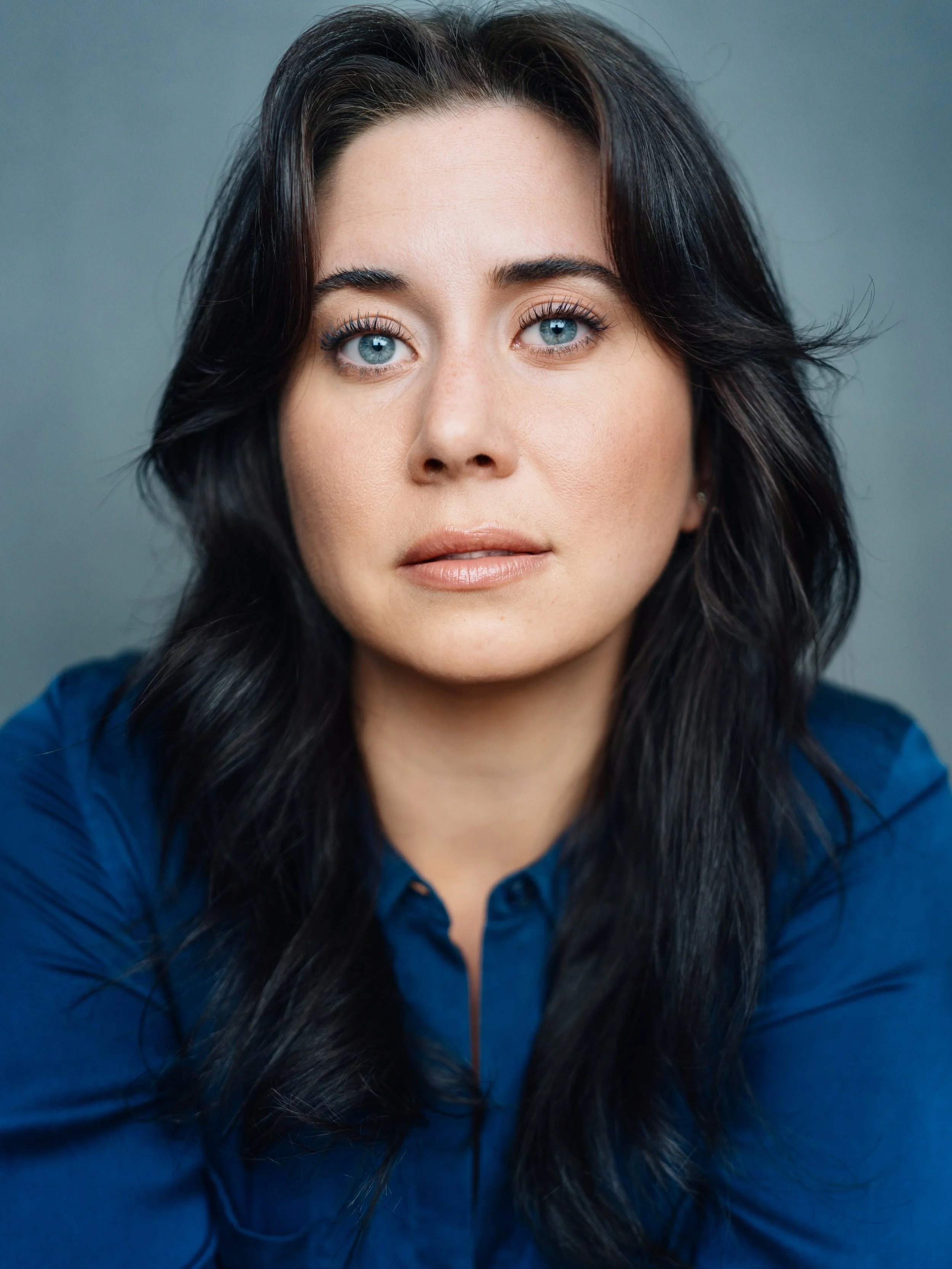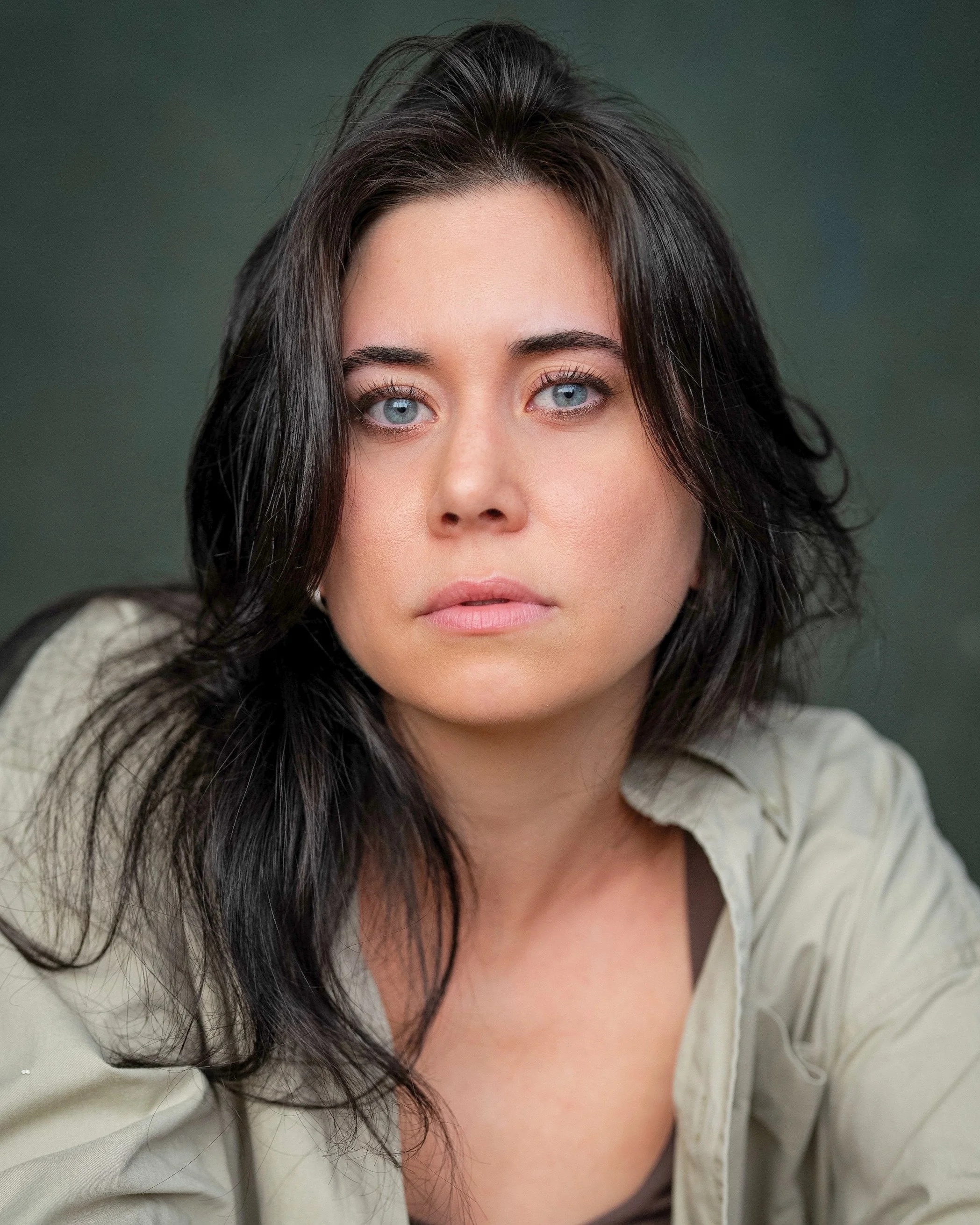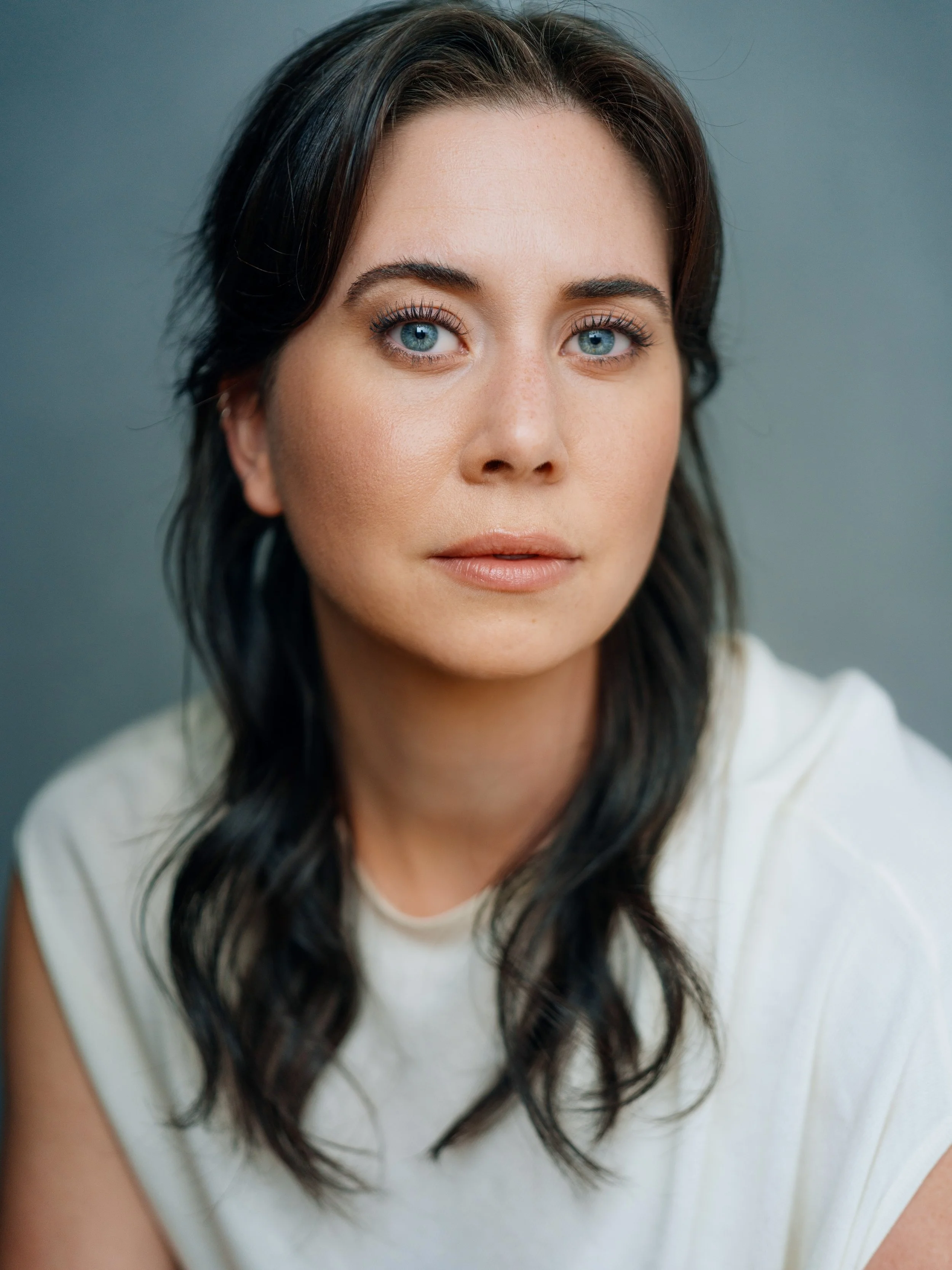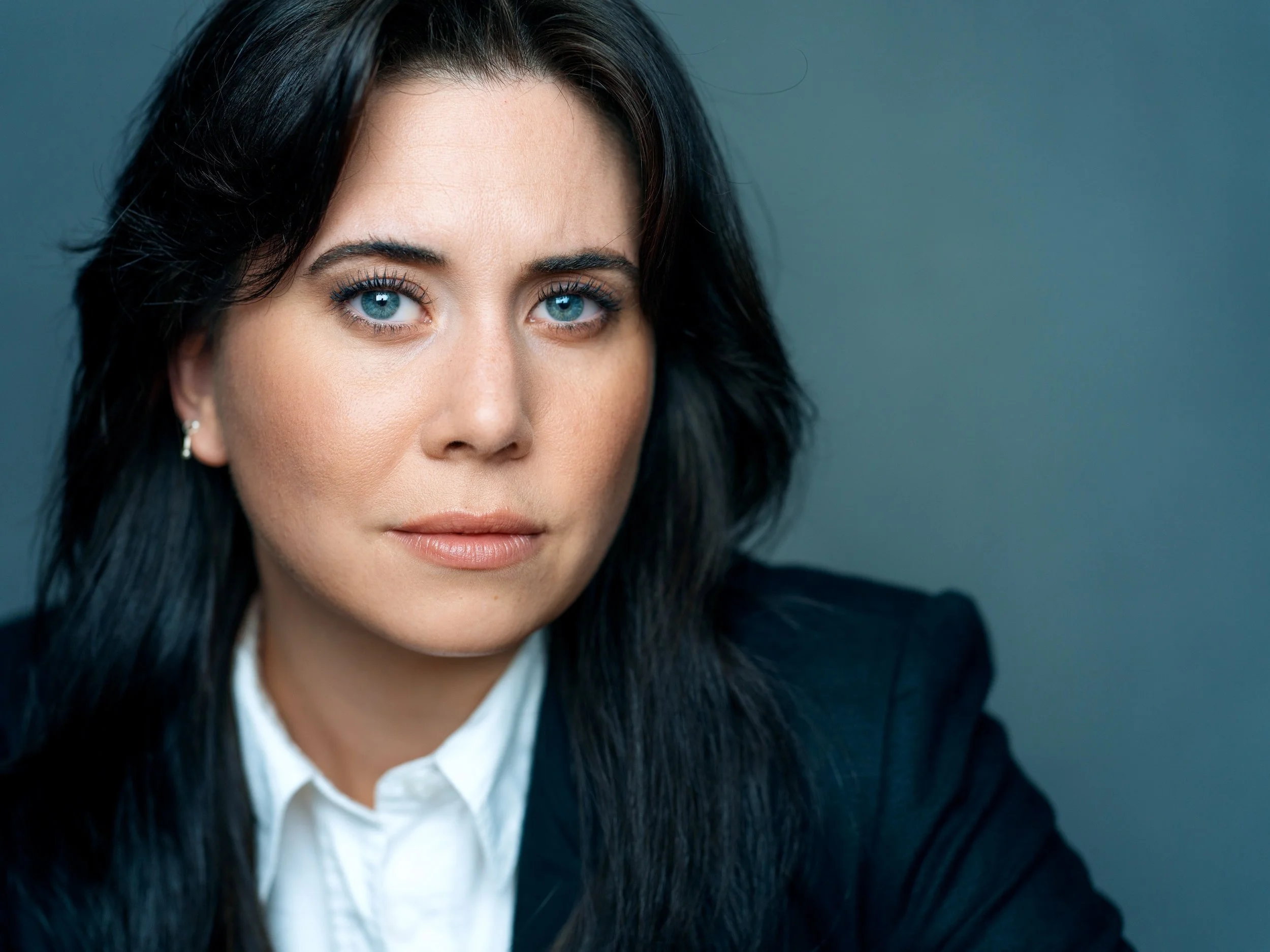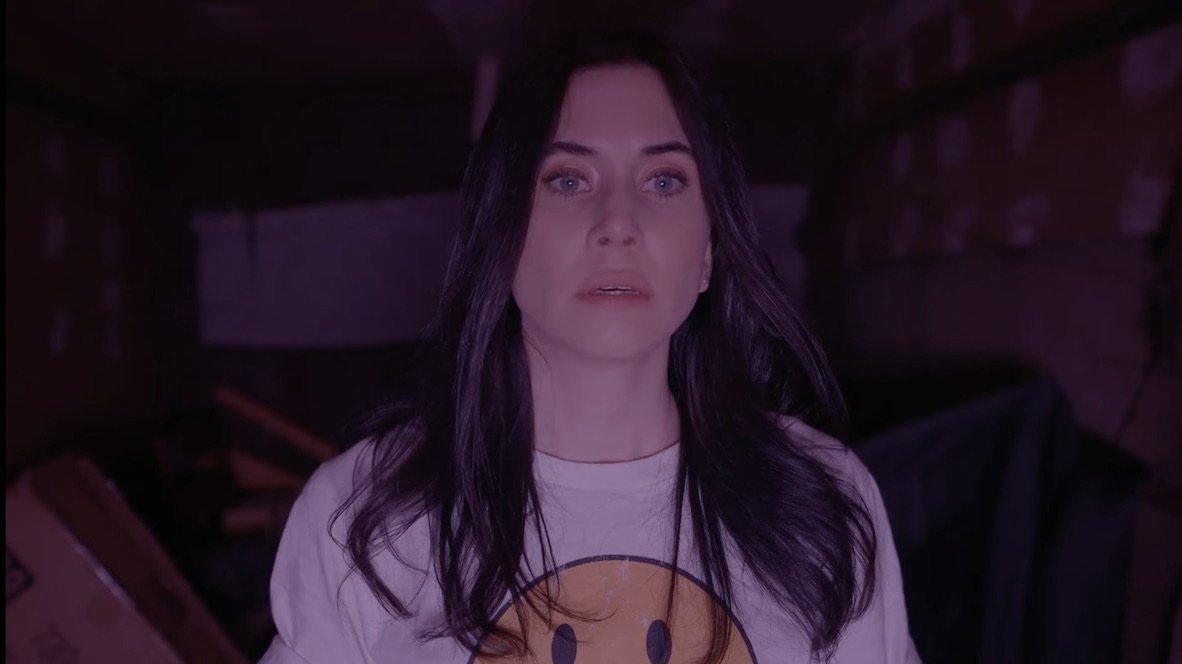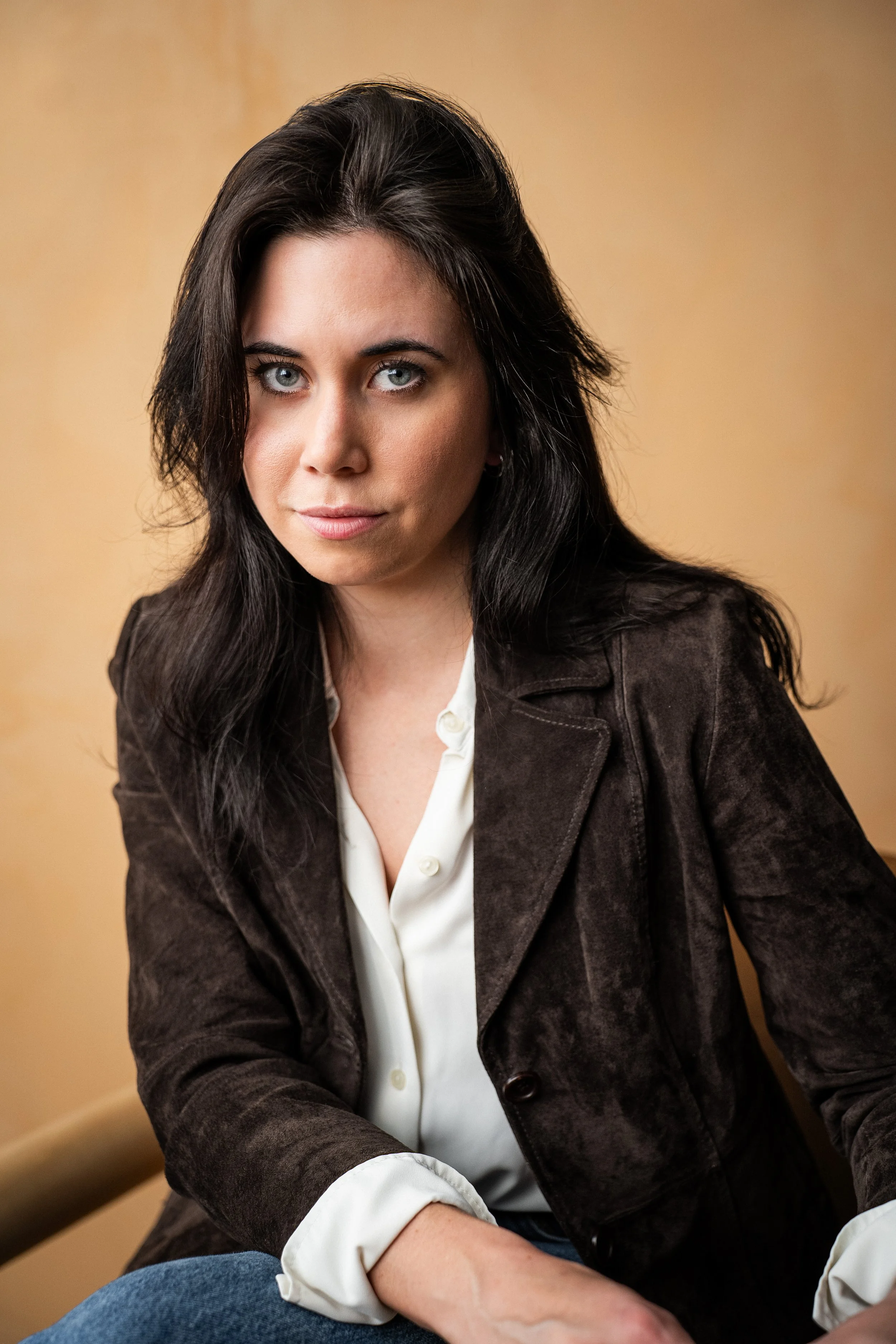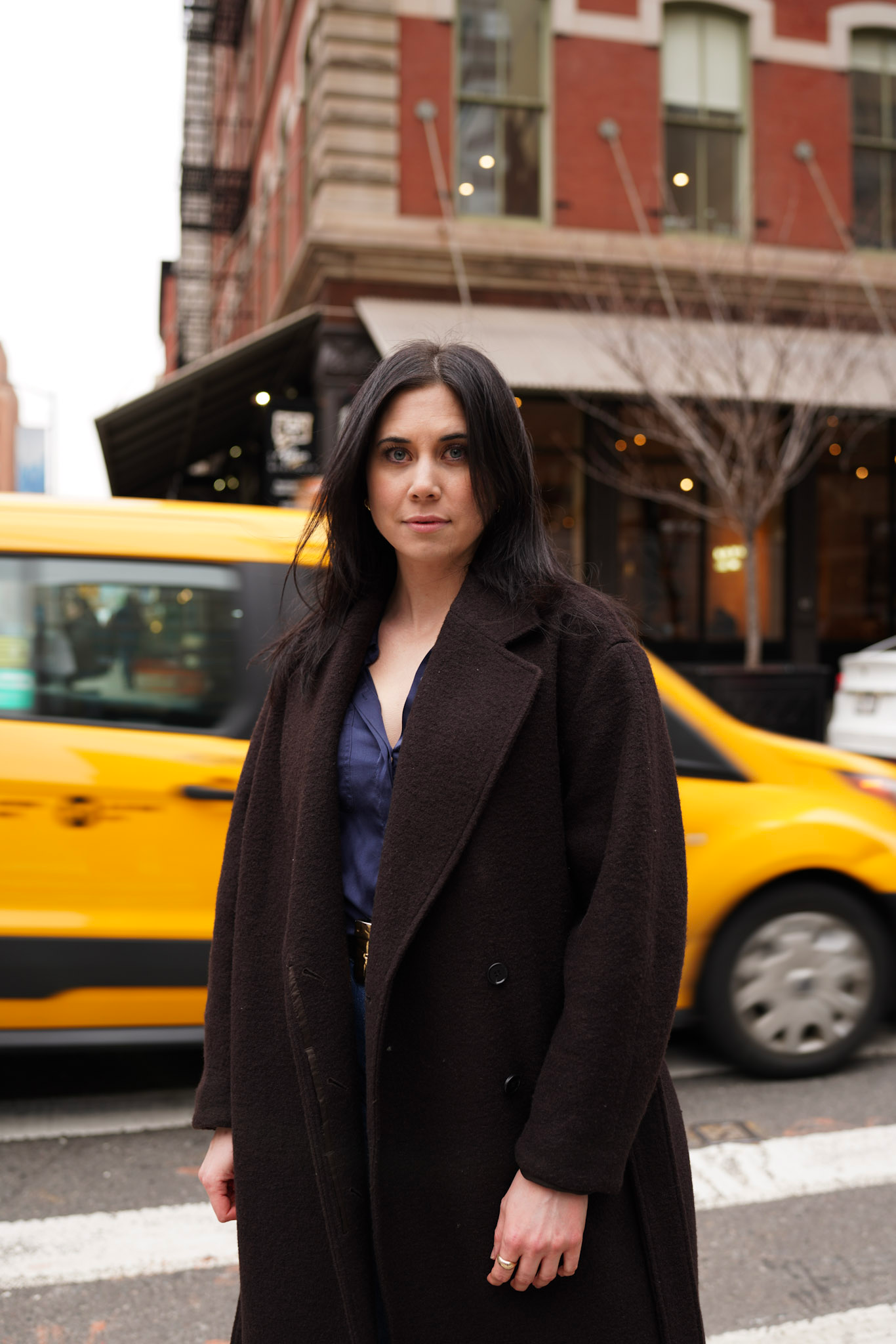


Julia Keesler is an actor, filmmaker and creative based in New York City. She studied at the T. Schreiber Studio & Theatre in New York and later at the Shakespeare Theatre Company in Washington D.C. She currently works with Shane Connor.
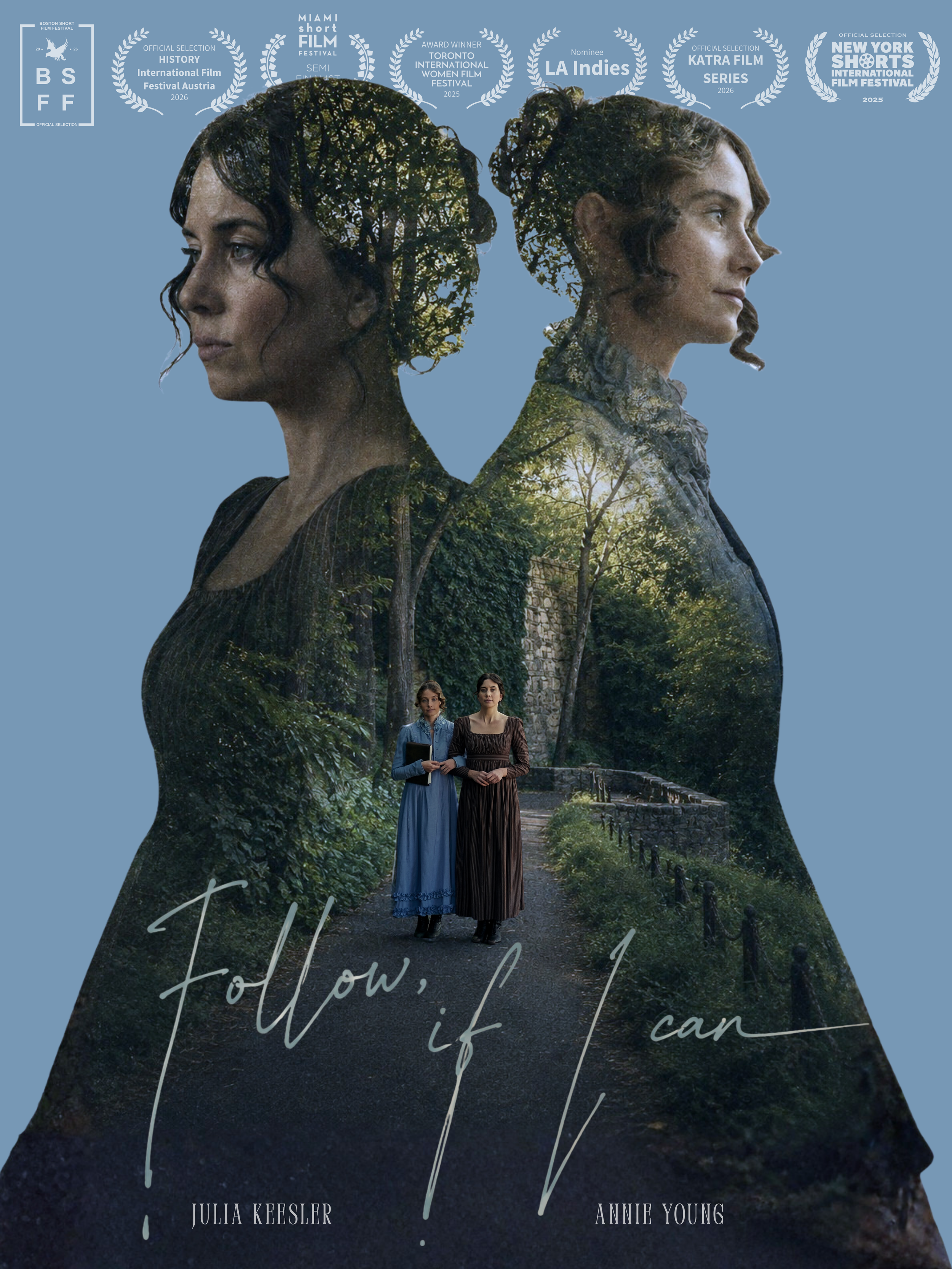
Julia decided to take her career in her own hands and just released her first short film Follow, If I Can in 2025 which she wrote, co-produced, co-directed, and starred in, winning Best Historical Film at the Toronto Women’s International Film Festival. She is currently working on her next short film Tears of Kansas slated to start production in 2026.
Julia also loves to work with her hands. She designs and creates sculpture candles that are meant to be both multi-functional and ever-changing. You can find her work at www.museastudy.com

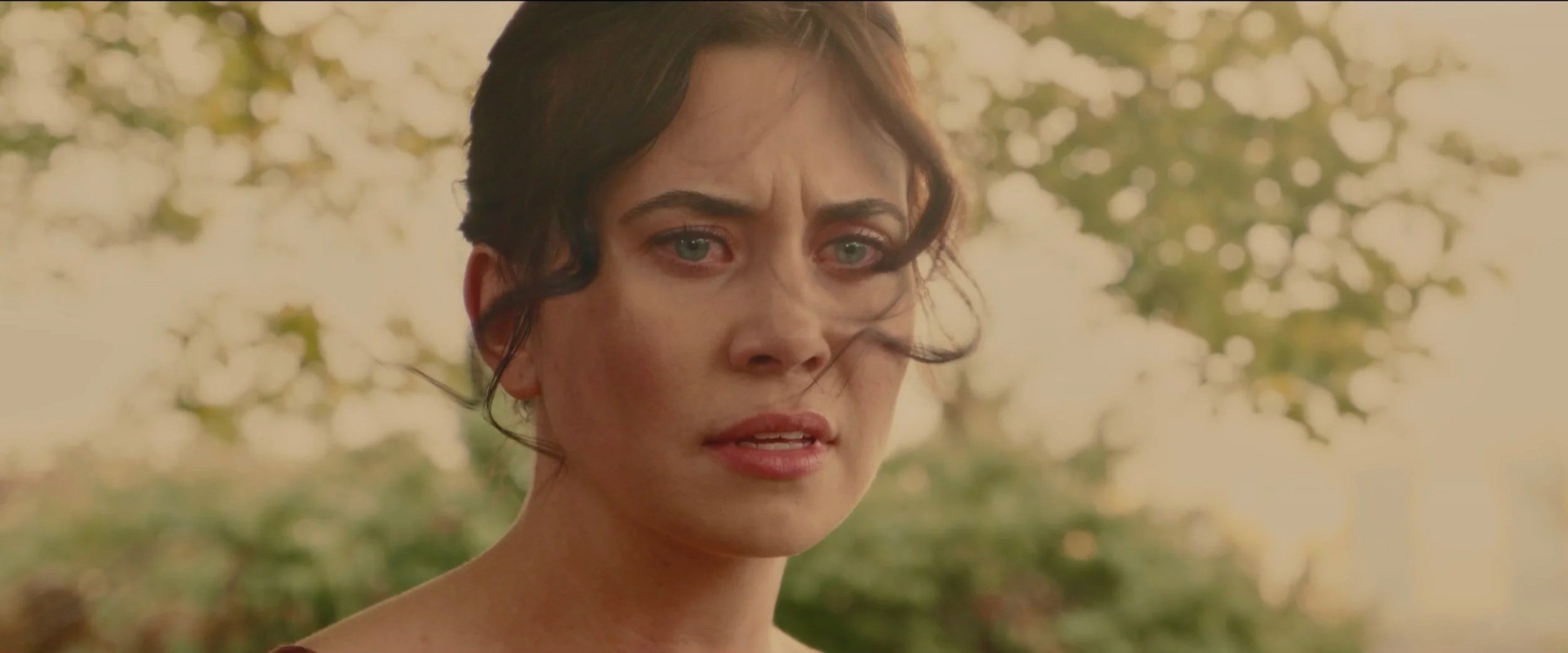
When Sophia receives a visit from her cousin Kate, the two debate love, ambition, and the sacrifices the pair must make in a world that wasn't built for them. Faced with a fork in the road, both must choose between the comfort of convention and the uncertain promise of self-determination—knowing that any path forward demands a sacrifice neither is fully ready to make.
Follow, If I Can was written by Julia Keesler and co-directed by Julia Keesler and Cameron Strittmatter. It was shot entirely on location in New York City and is currently running the 2025-2026 festival circuit. It recently made it’s premiere at the New York Shorts International Film Festival in New York City and won Best Historical Film at the Toronto International Women’s Film Festival.
Director’s Statement:
“Follow, If I Can was born from a personal tension I know intimately. Sophie and Kate are two sides of myself. Sophie is the dreamer—the part that longs to run headfirst into the unknown, to chase creation, freedom, and recognition. Kate is the one who lingers—who finds comfort in her family and the known. Writing this piece was a way to explore the quiet war between those desires: the pull to stay rooted in love, and the ache to grow beyond it. Their dialogue is, in many ways, a conversation I keep having with myself. Choosing one path can feel like betraying the other, and I wanted to live in that space—for just a moment—before the choice is made..
Though set in the early 1800s, Follow, If I Can also poses a question that remains deeply relevant. Today, women navigate expanded opportunities alongside enduring pressures—called to achieve, to lead, and to care, often all at once. The film explores the quiet tension between personal ambition and the roles society continues to ask women to fill, echoing a conflict that, while reshaped, is far from resolved. Follow, If I Can seeks to give the audience a chance to reflect on their road yet taken. Will we be happy with the outcome if the choice we make means perhaps giving up a part of ourselves?”